Dashboard, A/C & heating
Recognise warning lights and climate controls. Learn their meaning and how to respond safely.
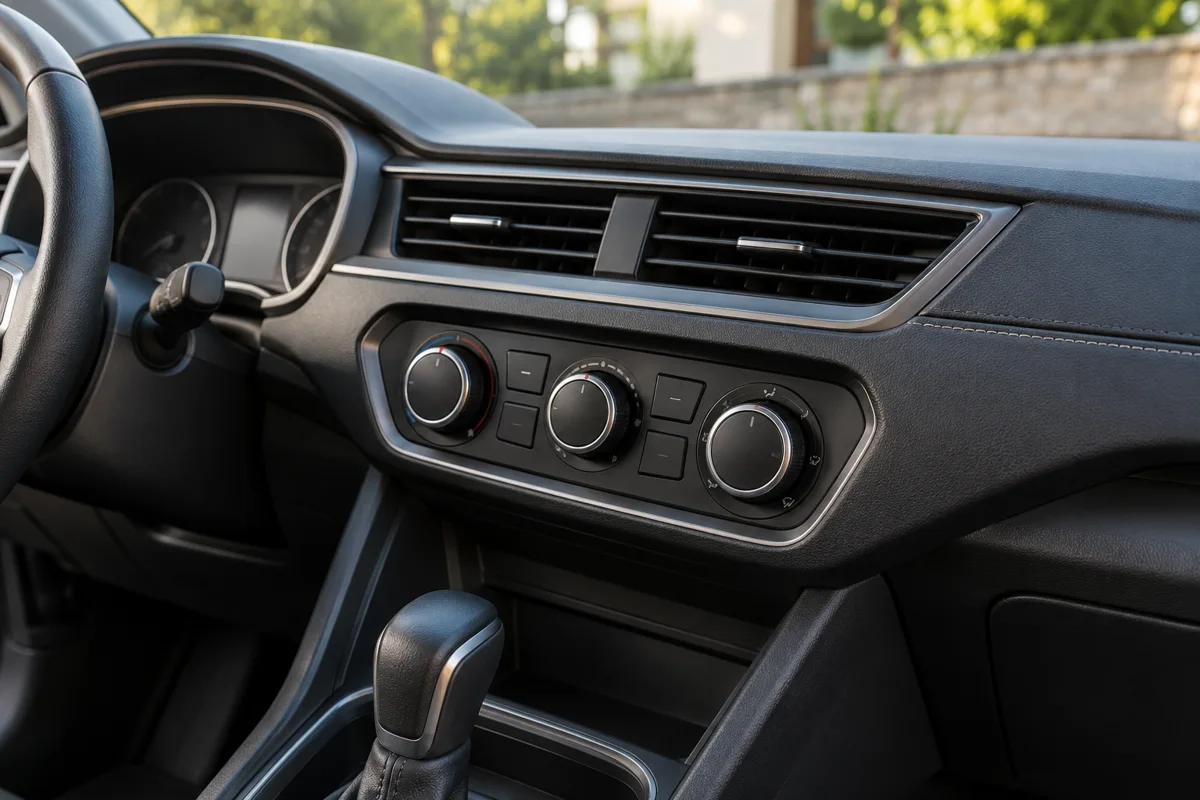
Indicator and warning lights
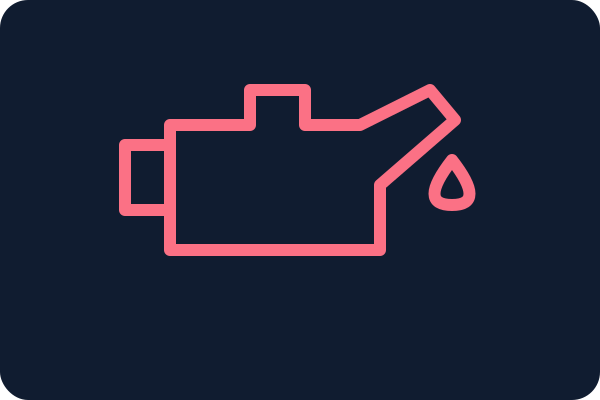
Oil pressure
This warns about oil pressure, not simply a forthcoming oil change.
What do you do? Stop as soon as safely possible, switch off the engine and seek roadside assistance. Adding oil alone does not establish that the fault is resolved.

Coolant temperature
A red temperature warning can indicate overheating. Read the accompanying message.
What do you do? Stop safely and switch off the engine as instructed by the warning. Never open a hot coolant reservoir.
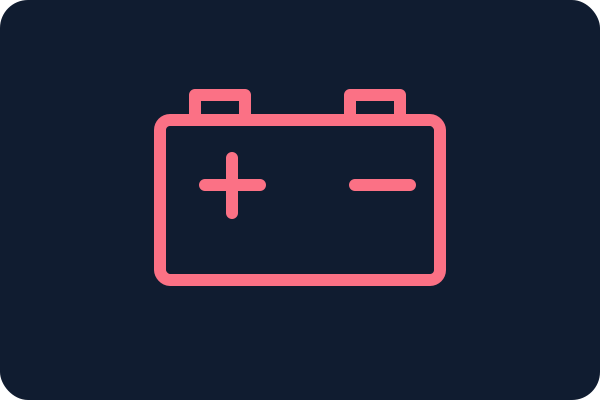
Charging system
If this stays on with the engine running, the charging system may have a fault. It does not simply mean an empty battery.
What do you do? Find a safe place to stop and seek advice or roadside assistance.

Brake warning
Depending on the car, this may indicate the parking brake or a braking-system problem.
What do you do? Does it stay on with the parking brake fully released? Stop safely and have the braking system checked.
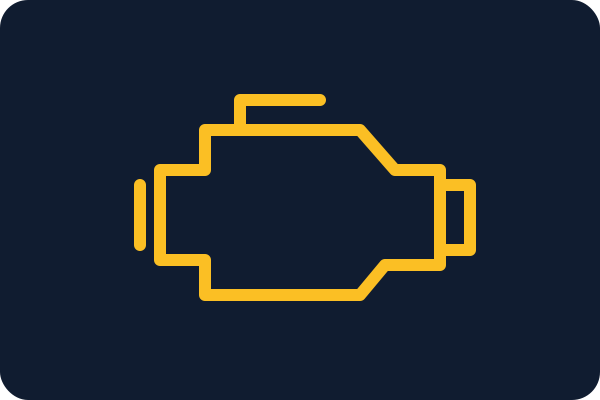
Engine fault
A persistent engine light indicates a fault in engine management or emissions.
What do you do? Follow the manual and have the car checked. If the light flashes or the engine runs poorly, stop safely and seek assistance.
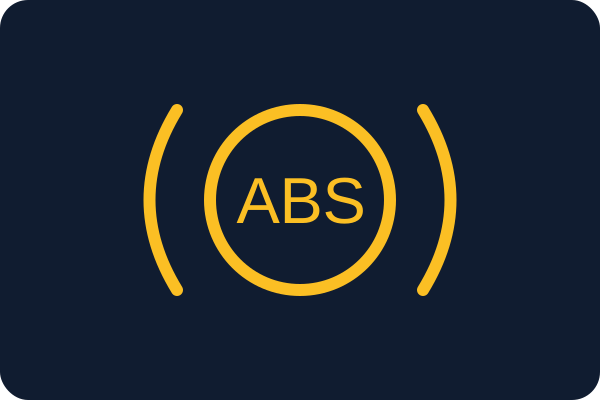
ABS fault
The anti-lock braking system may not work correctly. ABS helps prevent wheels locking during braking.
What do you do? Follow the warning and have the fault repaired. If a red brake warning is also on, stop safely and seek assistance.

Tyre pressure
This can indicate low tyre pressure or a fault in the monitoring system.
What do you do? Stop safely and check tyres and pressure according to the manual. Resetting the warning alone does not repair a puncture.
A/C, heating and demisting

Windscreen demisting
This setting directs air towards the windscreen to remove condensation.
What do you do? Use fresh air, sufficient ventilation and, as needed, warm air and A/C according to the manual. Set off only with clear visibility.

Heated rear window
This electrically heats the rear window; on some cars it also heats the door mirrors.
What do you do? Use it to remove rear-window mist or ice. It does not replace windscreen demisting.
Air conditioning
A/C can cool and dehumidify air. It can also be useful with a warm temperature setting.
What do you do? Use A/C when needed for misted windows. Operation depends on the car and outside temperature.
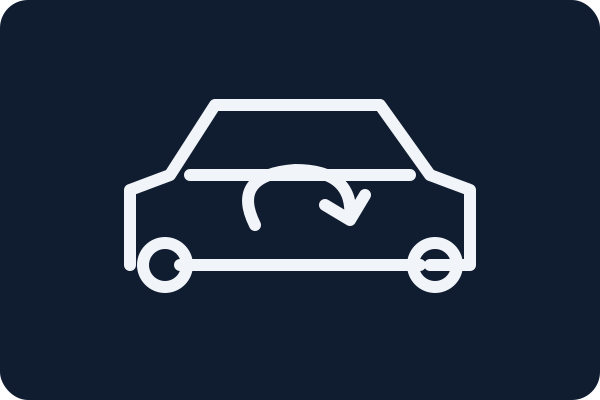
Recirculation
This reuses cabin air instead of continuously admitting outside air.
What do you do? Useful temporarily against smells. Prolonged use can encourage condensation: select fresh air and demisting for misted windows.

Fan speed
This controls how much air the fan moves, not the selected temperature.
What do you do? Increase ventilation when more airflow is needed for demisting.

Temperature setting
Blue and red usually indicate a cooler or warmer setting.
What do you do? Select temperature separately from fan speed. Heating and A/C can be used together.
The images show commonly used symbols. Shape, colour and operation can vary by vehicle. Always read the manual and accompanying message. Some lights appear briefly during the start-up self-test; a warning that stays on needs attention.
Red often requires prompt action and amber usually a check, but colour alone does not determine your response. Consider the symbol, message and vehicle behaviour. Stop in a safe place, not abruptly in a traffic lane.
Clear visibility matters more than comfort. Demist the windscreen before setting off. The fan controls airflow; the temperature control selects warmer or cooler air. A/C can help dehumidify, while the rear-window heater works on a different window.