ADAS & driver assistance
Use driver assistance deliberately and keep assessing traffic yourself.
ADAS supports the driver; you remain responsible for driving. Before departure, check which systems are fitted, how to operate them and how to intervene. The same function may have a different name or controls across brands. Read the owner’s manual.
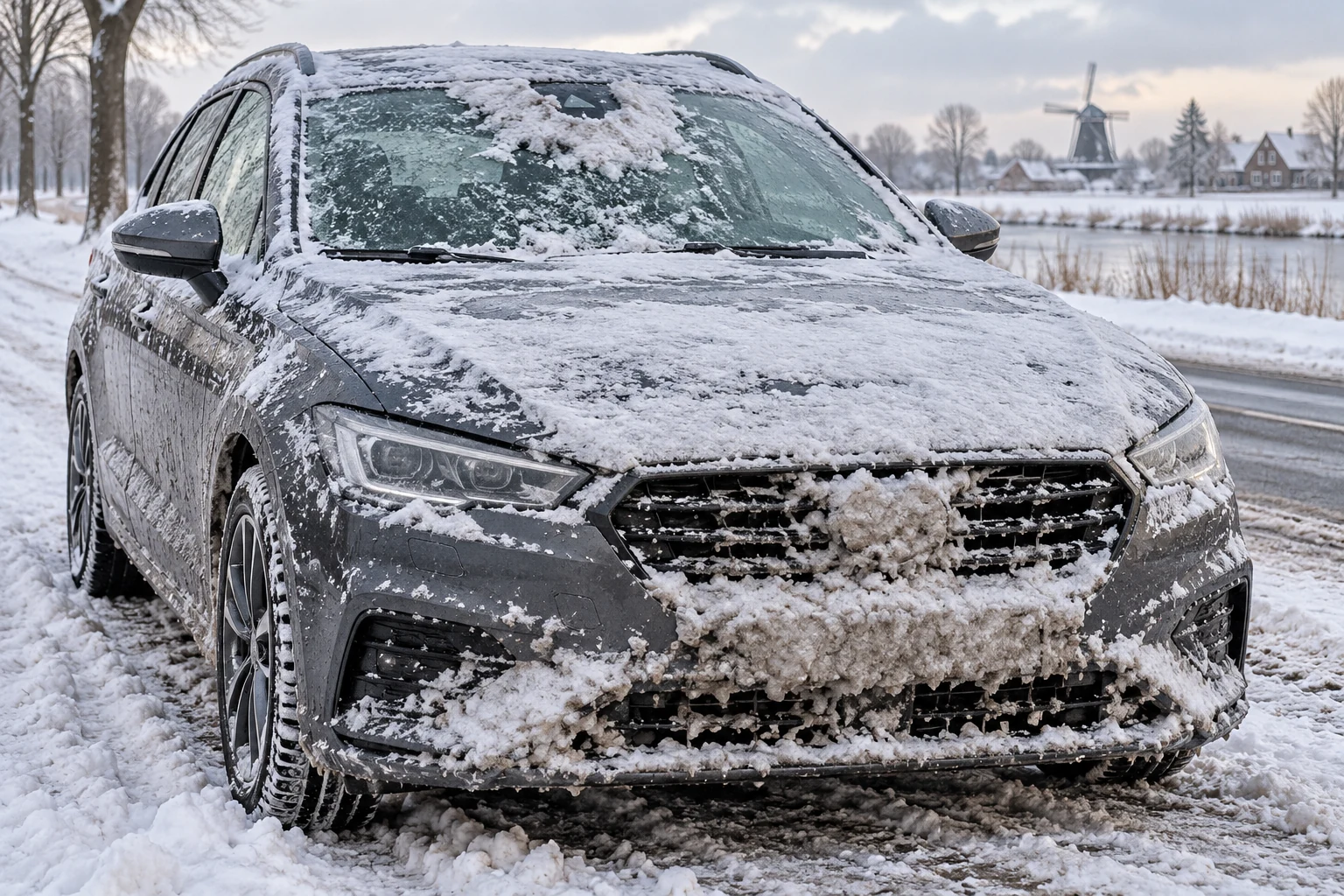
Check cameras and sensors for dirt, snow and ice. Weather, traffic and lane markings can limit performance. Stay actively ready to drive and attentive to the road. If a warning, fault or unexpected response occurs, assess the situation and intervene safely in time.
Conventional cruise control maintains a set speed. Adaptive cruise control (ACC) can also adjust speed to a vehicle ahead. Choose a safe gap and adapt speed and settings to conditions. Automatic emergency braking (AEB) may intervene when a collision threatens; brake in time yourself and do not take extra risks because AEB is fitted.
Lane departure warning (LDW) warns; lane keeping assistance (LKA) can steer. Unclear markings or roadworks may limit assistance or make it unhelpful. Keep steering yourself and use the system according to the manual. Blind-spot warning, parking sensors and a reversing camera do not replace your own observation. ABS helps prevent wheels locking during braking; ESC can help with stability, but neither removes the limits of grip.